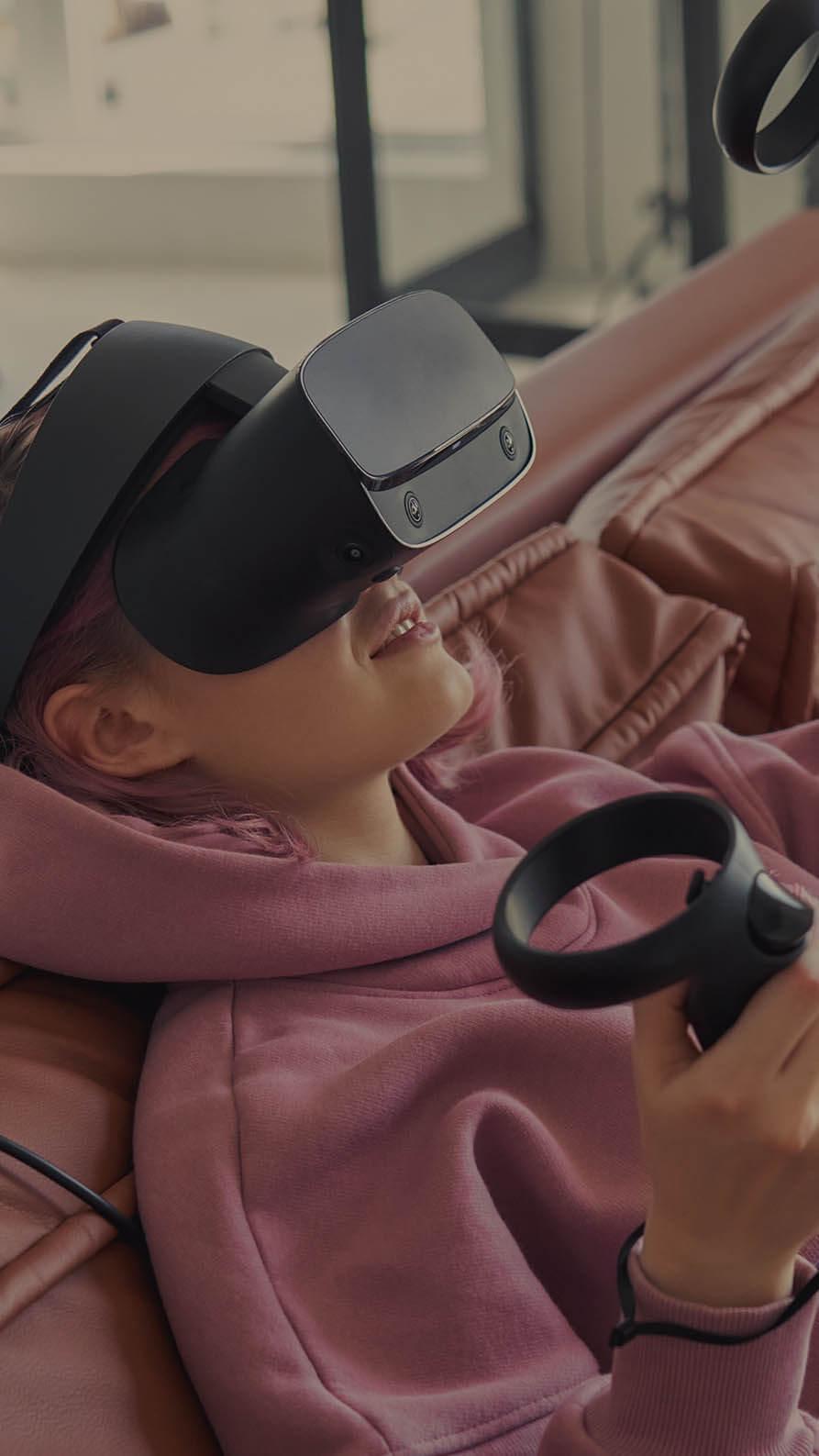
A property company recently bought a plot of land in a fancy part of town for £1.9m. They are not alone. Companies are spending thousands, and sometimes millions, in a property boom.
Except, of course, the property isn’t real.
In this case, the property is in Decentraland, ‘the metaverse’s answer to Silicon Valley’ (hype: New York Times) where brands are snapping up their place in a digital world, including Coca Cola and Sotheby’s, who are using it to display their digital art.
This is Web3 - in particular, the Metaverse, the prospect of a range of virtual worlds which people can enter either via virtual reality or (less immersively) through their PCs and where they will meet their friends, have work meetings, go to concerts and galleries and even go on dates.
For those of us old enough, it’s reminiscent of the slightly shabby world of Second Life, where people created versions of themselves and interacted in ways they might not online (and their avatars were often as mite sassier than their real life versions).
And brands got involved - setting themselves up as neighbours to digital mortals in an effort to sell them more stuff. Even the Grown Ups got involved - the Swedish Foreign Ministry even set up an embassy there. A process they thought was a success, though I’m not entirely sure why.
But cynicism doesn’t help, no matter how good I am at it. Brands that fall behind the growth curve of the internet are generally those who sneered at the developments. The ones who said Facebook was just about what people had for breakfast and that Twitter’s character limit was too constricting for someone with their nuanced views became the ones who wondered why they were being left behind.
So, even when, if for many people, it only came to their attention with Mark Zuckerberg’s weird announcement video (and Nick Clegg’s bookshelves), it’s worth considering what this leap into a new reality, also known as Web3, actually means for brands - companies and organisations have to work out how it affects them, and what to do if it does…
For those (normal) people who need to catch up on Web3, the story goes like this:
Web 1 wasn’t called that, in the same way that World War One wasn’t named that, until the second one came along. But the first generation of the web (the static version) was about fairly simple websites handing out information. Broadcast only, with few, if any, chances to engage.
Web 2.0 was the age of social media: lots of big social platforms with gazillions of users and generating lots of user-generated content and engagement, and driving a lot of data-led advertising.
And Web 2.0 has lasted around 15 years to take us to now.
We’re on the cusp of Web3. The shift to the next stage is driven, in part, by the weariness of the cartel (of Google, Facebook, Apple et al) owning all our data and our becoming fed up with the commercial surveillance economy which has exploited our data and our privacy, but also by technical shifts, including blockchain, which provides immediate, shared and completely transparent information on data (rather than our data being owned by others).
But let’s not be distracted by blockchain - it’s a little like how Count Otto von Bismarck described the Balkan question in the 19th Century (and I paraphrase broadly) - that only three people genuinely understand it: and one is dead, one is mad and one isn’t telling.
So let’s get back to the Metaverse - arguably the most revolutionary outcome of Web3. As it stands, brands and companies who want to reach consumers currently operate on other people’s platforms - making their mark on Twitter or TikTok through the nature of their content and users’ reactions to it. It’s fine, but the platform owners have the data and the rug can get pulled at any moment (all those brands who bet the house on Second Life, or even Bebo…).
The question is… do you need to worry about this new world? Well… no, but with a bit of yes…
It’s as well to be aware. And a good thing to experiment and toy with the whole thing. In the short term, that’s more likely to be playing around with augmented reality or virtual reality. Perhaps demonstrating your services in that manner. An amuse bouche to the fully immersive concept that Zuckerberg imagines.
In the short term, there will be ways to make Zoom calls less grating and to make online collaboration more fruitful, but we’re still more likely to prefer meeting in person (pandemics allowing) than allow our avatars to mingle.
No-one ever lost their job by buying Microsoft (though they didn’t get any innovation awards either), so their version of a ‘mixed reality’ workplace or classroom might be more mundane, but possibly more achievable through existing IT relationships than banking everything on Facebook and its apps. Many suppliers giving us many ways to work and learn together (as in the Zoom v Teams wars) is the likelier short-term outcome.
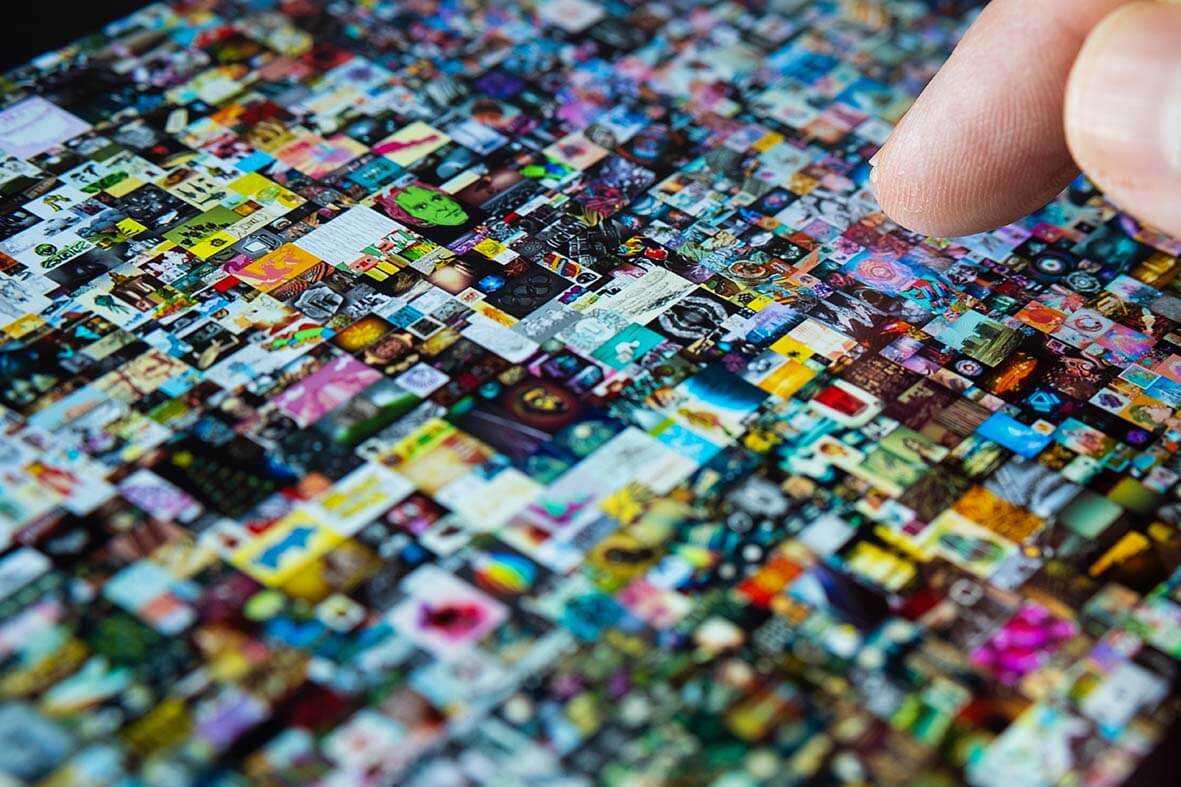
For some, it might be less about process and more about products - the hype around NFTs (non-fungible tokens) and vastly inflated sales of deeply disappointing digital products is likely to be a sideshow to the creation of a range of collectible digital products like NFT baseball cards based on that blockchain technology I’m avoiding talking about. Collecting football cards digitally is no weirder than collecting Panini cards in the playground.
Digital assets of all kinds can be bought and sold on blockchain because their authenticity can be verified and their data journey tracked. Tickets to events, memberships and, just as processes like contactless payment felt weird and insecure at first, we all got over ourselves and dived in, in the end. It will underpin how we pay for, as well as deliver, services.
So, while it might be a mite early for some of the smaller organisations to start creating themselves virtual language schools, it’s as well to be open-minded and listen to the future on this one.
One day you’ll be dubious, next day you’ll be an avatar.
Be ready.
