Having a YouTube channel is now considered a basic part of any company’s digital footprint. It’s just normal and it’s not exactly hard to create.
YouTube might be considered to be a social media channel but it’s really just a content host. The cheapest way to store and show your videos to the widest audience.
It's always about content
It follows from that, therefore that the content is key - and the first question before you create a channel therefore is what to put in it. So you need, obviously, to develop a content strategy, and a production strategy to support it.
Do it well
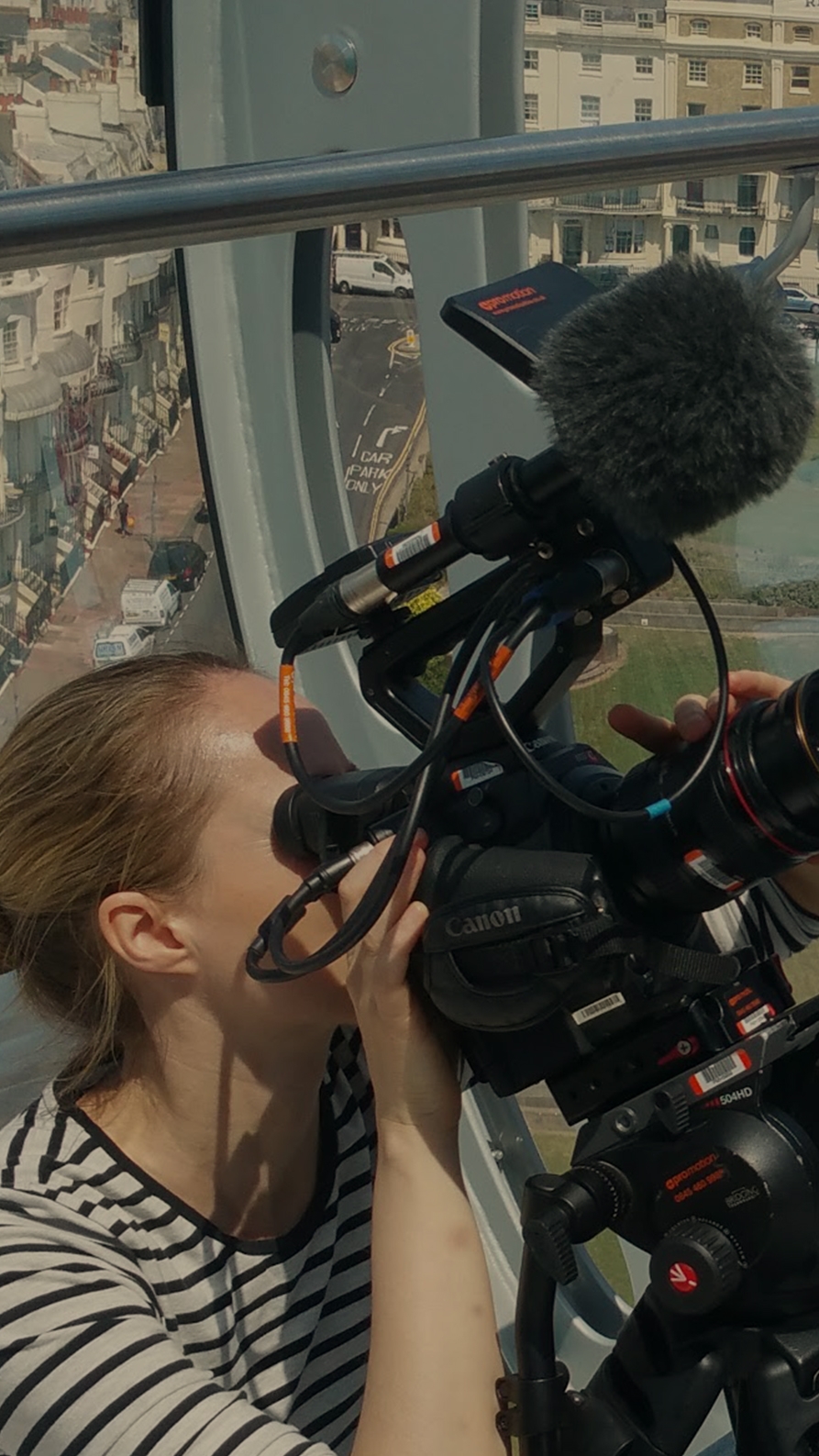
Production values are important - there’s not huge value in creating a channel and then sticking videos on there from some team member’s phone. That kind of reportage has some value (not least if there’s genuinely no other way to record it) but if you want both views and a good brand reputation, make sure you have access to quality equipment - good cameras, good editing suites on good computers - that gives your video quality and brand identity, which are vital.
Costs are a factor in the bid for quality, so if you don’t want to sink the capital costs of all that fancy gear, find a good supplier who can give you what you need - commit to a long project and you’ll get value.
Short and snappy
When you have the production team, you need to think about what to say. Remember that each video should be short (2 minutes, max) so don’t try and cover everything in a single video. When you’re scripting a piece, it should be a precis of your company’s approach to a product, service or a topic. It shouldn’t be everything. Make key points, rather than attempting to cover the whole of an issue. Otherwise, people will simply give up on you.
Have a plan, and be prepared to deviate from it
That done, you’ll need an editorial plan. There are few things more dispiriting than a ‘now what’ approach to content creation. Create a plan for each quarter of the year. Work out the cadence of how often you’ll produce a new video (once a week? fortnight?) and stick to it. Then have an editorial calendar in which you set a list of ideas, dates for script creation, sign-off on that script, dates for filming, editing and for the final sign-off and then launch. Within that editorial grid, keep some room to flex. If there’s a topic in your industry and your CEO wants a few moments to opine, then don’t say ‘if it ain’t on the grid, it ain’t happening’. Pounce. Topicality is a great driver of views - and is a significant part of search algorithms too.
Say something pertinent, but mean it
And if you do do that topical thing - don’t be bland. If your CEO has a view on an issue, make sure it’s well expressed. Nobody ever got into a YouTube wormhole to follow more tedious opinions. It may be easier to deliver beige within the context of your fellow professionals in your industry, but it doesn’t drive the numbers. A stronger voice is helpful to gain audiences. Don’t be controversial for the sake of it, but don’t be dull either.
Make it good enough that people pass it on
And, of course, make it shareable - the sort of tone, approach and product which people will pass on. Easier said than done, and will come from experimentation, A+B split testing and, probably, some videos which will fail, but the ability to experiment is key. Keep trying - do more of what works, and less of what doesn’t.
People buy people first
Storytelling is vital and case studies are the best way to get them across. A point about your services of changes in your industry is much better made through the story of a single consumer than in the data of millions. That data can be used and related, but finding a story which illustrates the appeal of what you do, or why you do it will resonate with users much more. And people trust people more than organisations, so if you can find ‘real’ people to tell that story for you, all the better.
Have a conversation
When you create content, you are looking for eyeballs, but they are passive. Engagement is better - but not always. Comments ‘under the line’ on a YouTube channel can be a strange and disconcerting thing. ‘Why do people think these things? And why do they also write them down?’ But even those are useful - they drive the algorithms. So ask questions of users in videos - ‘do you have any tips of the best places to visit?’ ‘Do you have tips to share on topic X?’ If you can get responses, then you’ll find that content with comments appears more regularly in front of users than that without. ‘Likes’ also help. And shares too. Encourage people to do all those things.
Build followership, keep your dignity
For the longer term engagement, you should actively encourage subscription. If you do all these things in the video itself (‘Please subscribe, like, share or comment’) it looks a little needy and undignified. Many do it, but you have to have a certain élan to get away with it without looking like a rather desperate wannabe-influencer. Try and keep your dignity. - and it’s a little easier to make those needy requests in other content streams - It’s best to use the amplifiers you are using to draw attention to the videos - in email newsletters, on social media and so on. You want people to use your YouTube channel more than once and the subscription encouragements will help that.
Be a big player in a small niche
The best YouTube channels are generally the most interesting - the ones with the best content. That can be in a small niche - a product or service in a particular market and if you can get your content to dominate the conversation in that market, it’ll be worthwhile. Video is promoted slightly artificially in Google search - so get your YouTube sorted, and that’s a big boost to your search engine optimisation too.
